
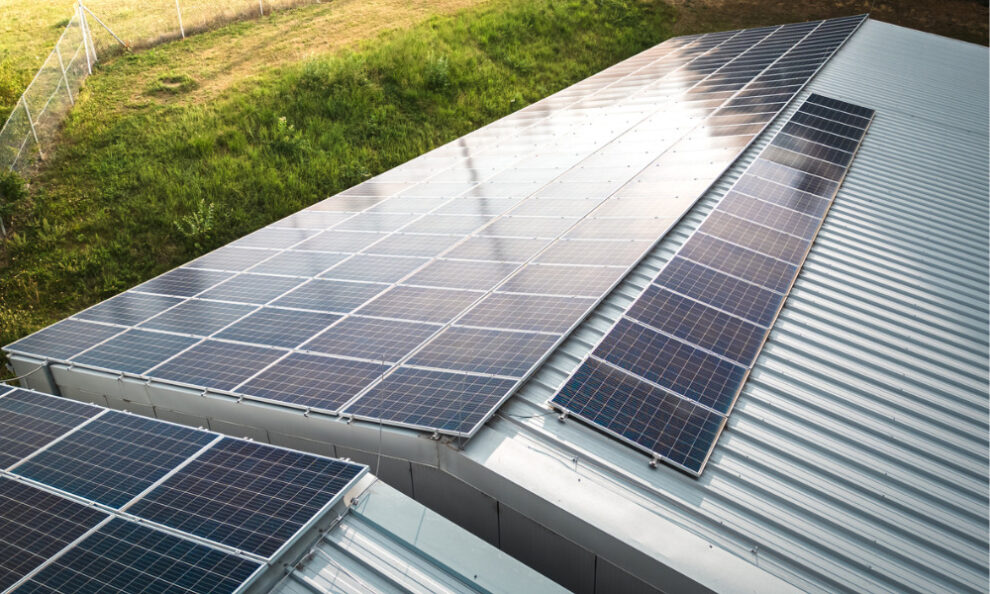

India’s energy landscape is undergoing a quiet but powerful transformation. From rooftops in Rajasthan to factory floors in Pune, solar panels are appearing at a pace that seemed unimaginable just five years ago. But what is really driving this acceleration? The answer, increasingly, is finance. Specifically, the rise of the solar installation loan has removed what was once the single greatest barrier to adoption — the upfront cost — and replaced it with a model that puts clean energy within reach of millions of households and enterprises across the country.
The Affordability Problem That Finance Solved
For years, solar energy was aspirational for most Indians. The technology was well-understood, the benefits were clear, and the sunlight was certainly abundant. Yet the initial capital required to set up a solar system — running anywhere from ₹1.5 lakh for a basic residential setup to several crores for an industrial installation — kept the majority of interested buyers on the sidelines.
What has changed in 2026 is not the technology. It is the ecosystem built around it. Banks, NBFCs, fintech platforms, and even solar manufacturers themselves now offer structured lending products that allow buyers to pay for their systems over time. Monthly EMIs are often designed to be lower than the electricity bill the customer was already paying — making solar not just sustainable, but immediately cash-flow positive.
This shift in how solar is purchased, rather than in what is being purchased, is responsible for the surge in adoption we are witnessing today.
Why 2026 Is a Tipping Point
Several converging forces have made this particular year a turning point for solar lending in India:
- Policy momentum: The PM Surya Ghar Muft Bijli Yojana scheme, which subsidises rooftop solar for residential consumers, has dramatically increased awareness at the grassroots level. When the government talks about solar, lenders listen — and follow.
- Interest rate tailwinds: After a period of elevated borrowing costs, lending rates for green energy products have moderated, making monthly repayments more manageable for middle-income households.
- Longer loan tenures: Lenders now offer repayment periods of up to 7–10 years for solar products, significantly reducing the monthly burden and making the investment viable even for lower-income applicants.
- Digital loan processing: Fintech-driven underwriting has slashed the time from application to disbursal from weeks to days, removing bureaucratic friction that historically discouraged smaller borrowers.
- Rising electricity tariffs: As DISCOM rates continue to climb across Maharashtra, Karnataka, Tamil Nadu, and other states, the financial case for switching to solar grows stronger every billing cycle.
The Commercial Sector Leads the Charge
While residential uptake is impressive, the real volume of lending in 2026 is happening on the commercial side. Commercial solar loans are being actively marketed by both public sector banks like SBI and Canara Bank, and private lenders like Tata Capital and HDFC, specifically to MSMEs, retail chains, hotels, hospitals, and educational institutions.
For a business, the arithmetic is compelling. A 50 kW rooftop system might cost ₹25–30 lakh. Financed over seven years at current interest rates, the EMI could be ₹35,000–40,000 per month. But the same business might currently be paying ₹60,000–80,000 per month on commercial electricity. The loan, paradoxically, reduces their monthly outgo from day one, while also building an asset on their balance sheet.
This is why commercial adoption is accelerating faster than any government mandate could achieve — pure financial self-interest is doing the work.
How Rooftop Solar Financing Actually Works
Understanding the mechanics helps demystify the process for first-time buyers. Rooftop solar financing typically works through one of three structures:
- Term loans: A fixed loan amount is disbursed to the borrower (or directly to the installer), and the borrower repays it in equal monthly instalments over the agreed tenure. This is the most common format for both residential and commercial customers.
- Equipment financing: In this model, the solar hardware itself serves as collateral, making it easier for applicants without significant property assets to access credit. Several NBFCs in India specialise in this format.
- Solar lease / RESCO model: Here, the customer does not own the system at all. A third party installs and maintains the panels, and the customer simply buys the electricity generated at a pre-agreed rate — often lower than the grid tariff. No capital is required from the customer whatsoever.
Each model has its merits, and the right choice depends on a business or household’s financial situation, tax position, and long-term energy goals.
What Borrowers Should Evaluate Before Applying
Not every solar loan is structured equally. Before signing any agreement, prospective borrowers should assess:
- Total cost of credit: The interest rate headline figure is only part of the story. Processing fees, insurance requirements, and prepayment penalties can significantly change the real cost.
- Installer tie-ups: Some lenders partner with specific solar vendors and may push buyers toward those channels. It is worth comparing quotes independently before committing.
- Subsidy integration: For residential buyers eligible under government schemes, ensure the lender can handle subsidy disbursals directly, reducing the paperwork burden on the customer.
- System warranty alignment: Panels carry 25-year performance warranties, but loan tenures are far shorter. Ensure the financing structure does not leave you exposed if the system underperforms after the loan is repaid.
The Bigger Picture: Credit as a Climate Tool
There is something genuinely significant about what is happening in India’s solar financing market in 2026. Credit — a tool that has historically built roads, factories, and homes — is now being deployed at scale to build a cleaner grid, one rooftop at a time.
For individual borrowers, the motivation may be simple: lower electricity bills, energy independence, or protection from unpredictable tariff hikes. But the aggregate effect of millions of such decisions is transformational. Every loan for solar rooftop sanctioned today is a unit of peak-hour demand permanently removed from the fossil fuel-dependent grid.
Lenders are recognising this too. Green lending portfolios carry reputational value, regulatory goodwill, and — as default rates on solar loans have proven remarkably low — solid credit performance. The alignment of financial incentives with environmental outcomes is rarely this clean.
Conclusion
India’s solar story in 2026 is not just about panels and inverters. It is about the financial architecture being constructed around them — the EMIs, the tenures, the digital approvals, and the risk-sharing models that make clean energy a practical choice rather than an idealistic one. As awareness spreads and more lenders compete for this growing market, terms will improve further, access will widen, and the pace of adoption will only accelerate. For anyone still sitting on the fence, the message from the market is clear: the best time to explore commercial solar loans was yesterday. The second-best time is now.







Add Comment